The classic French tip manicure, with its clean, elegant look, has graced countless fingertips for decades. Yet, many wonder, why are French tips called French tips when their origins aren’t actually in France? At Infinity Salon Jaipur, we love delving into the stories behind iconic beauty trends. This beloved style, characterized by a natural base and a striking white tip, has a fascinating history that dates back to the mid-1970s. Join us as we uncover the true story behind this enduring nail design.
Unveiling the Surprising Origin of French Tips
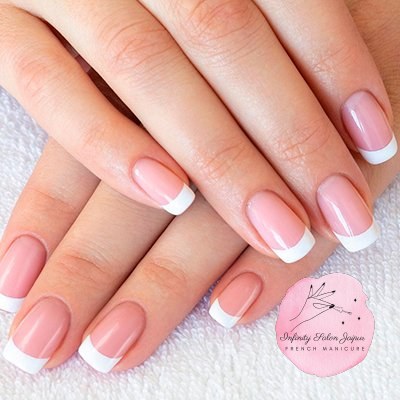
Despite its inherently chic and Parisian-sounding name, the French tip manicure does not, in fact, originate from France. This often-misunderstood fact surprises many who assume the elegance of the design must surely be rooted in French fashion. The true story begins much closer to home for American audiences, specifically on the bustling sets of Hollywood.
It all started in 1975 when Jeff Pink, the visionary CEO of Orly International, conceptualized and brought this iconic look to life for movie studios. Pink faced a common problem among actresses and their stylists: constantly changing nail polish to match various outfits for different scenes was a time-consuming and inefficient process. He needed a versatile nail style that would complement any wardrobe without requiring frequent changes, allowing for seamless transitions between takes.
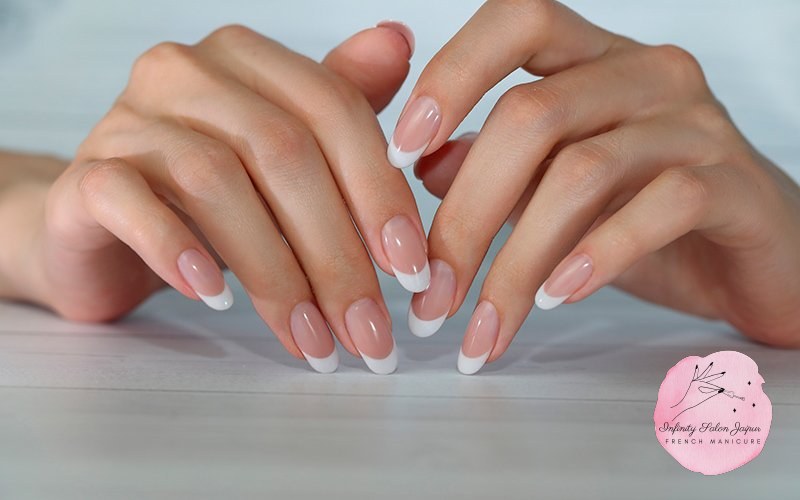
Pink’s solution was ingenious in its simplicity: a natural-looking nail with a distinct white tip. This design offered a polished, clean aesthetic that worked universally with any costume or setting. The style quickly gained traction within the entertainment industry, becoming a favorite for its practicality and understated elegance. This groundbreaking creation became known as the “natural nail look” initially, solving a significant logistical challenge for film productions.
Tracing the Path to Global Recognition
The journey of why they are called French tips is a testament to savvy marketing and the enduring appeal of the style. After its initial success in Hollywood, Jeff Pink realized the potential for this versatile nail design to transcend the silver screen and enter mainstream fashion. He envisioned it as a sophisticated and universally appealing look for women everywhere.
The term “French manicure” was reportedly coined after Pink took the style to the fashion runways of Paris. Presenting his creation to models and designers during Paris Fashion Week, the elegant and timeless appeal of the white-tipped nail quickly gained immense popularity. The Parisian fashion elite embraced the look, appreciating its ability to enhance natural beauty while offering a touch of refined glamour.
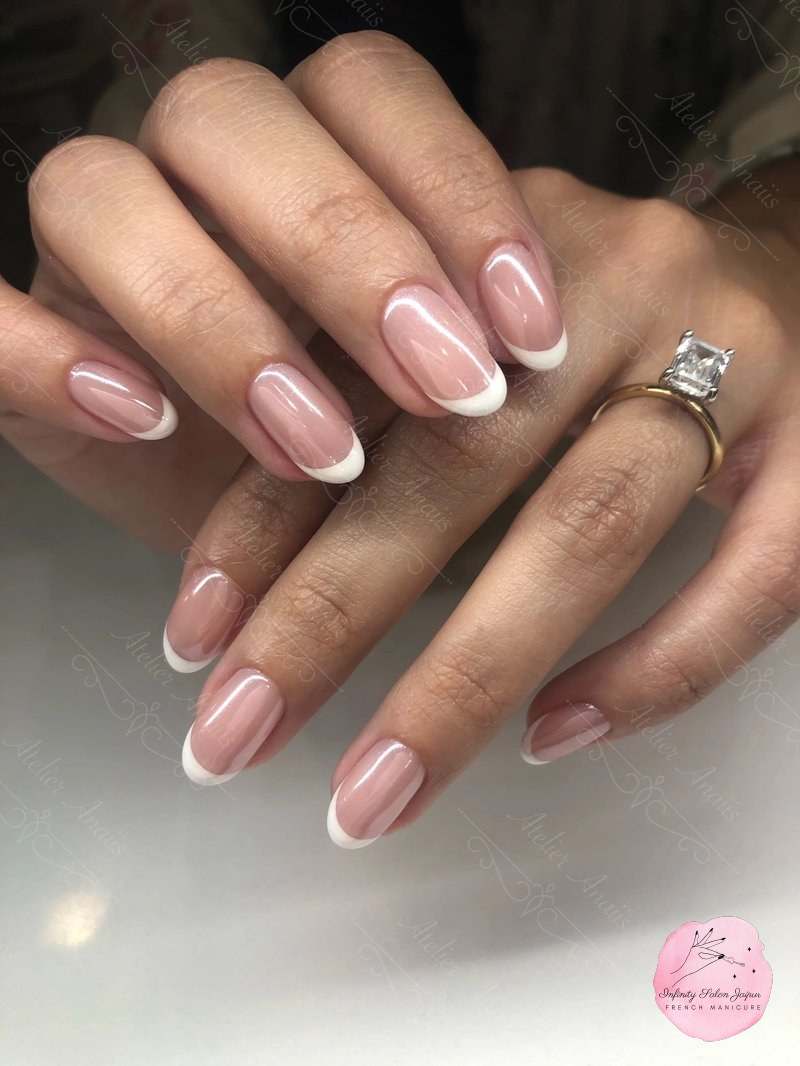
When Pink returned to the United States, he began calling it “French tips.” The name made the look feel more luxurious, sophisticated, and desirable, instantly elevating its status in the beauty world. France itself borrowed the name when they adopted the look, calling it “la French manucure,” a nod to its newfound association with Parisian chic. This strategic rebranding firmly cemented the name in popular culture, despite the style’s American origins.
Understanding the Evolution of the French Tip
The classic French tip manicure, with its natural or pink base and crisp white free edge, has evolved significantly since its inception in 1975. Initially created for practicality in Hollywood, its timeless appeal has allowed it to adapt to changing fashion trends while maintaining its core elegance. Modern interpretations of why are French tips called French tips now encompass a vast array of variations, pushing the boundaries of the original design.
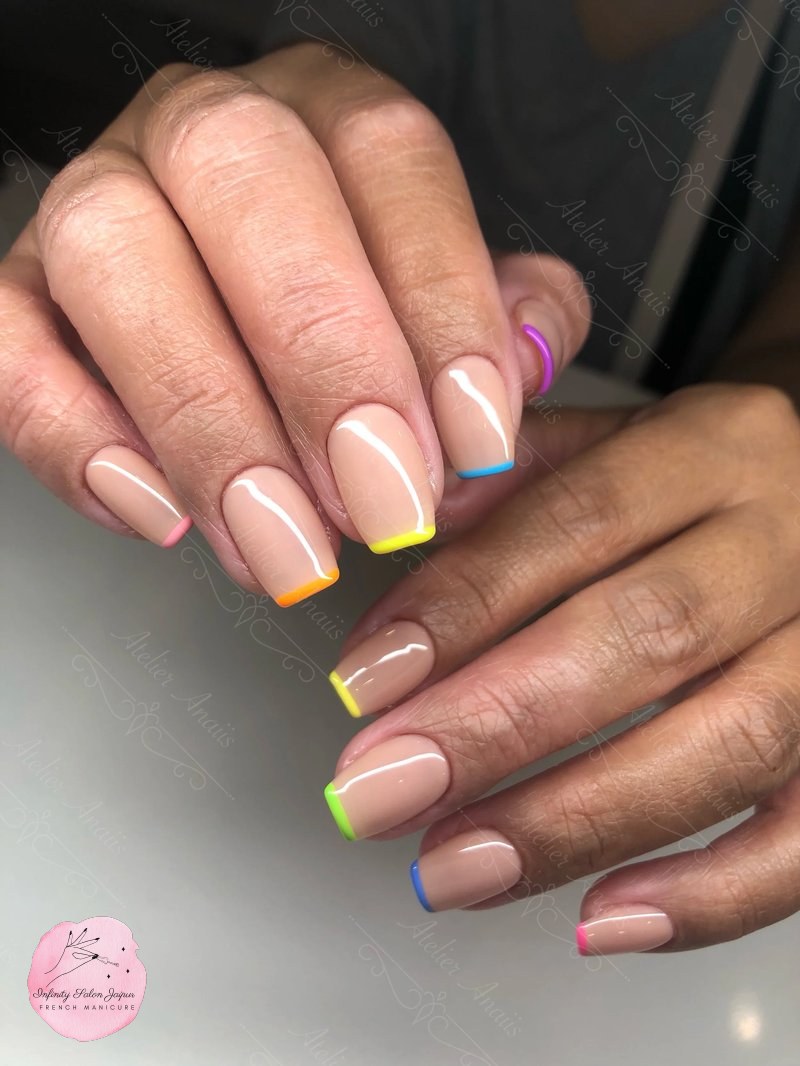
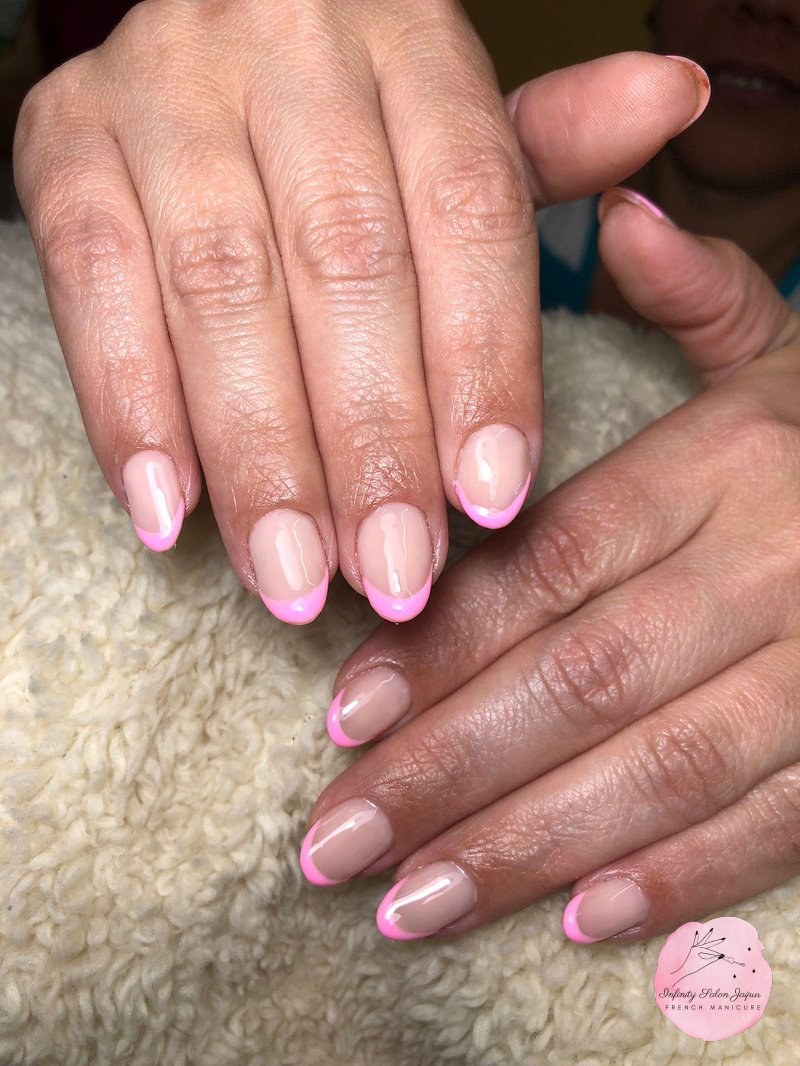
Today, you can find French tips with a rainbow of colored tips instead of the traditional white, offering a playful and personalized twist. Glitter, chrome, and even encapsulated designs are often incorporated into the tip, adding sparkle and texture. The “smile line”—the curve separating the base color from the tip—can be softened, made sharper, or even inverted for a contemporary look. The nail tips themselves can be longer, with the white tip gradient fading subtly for a more ethereal effect, or kept short and sharp for a minimalist statement.
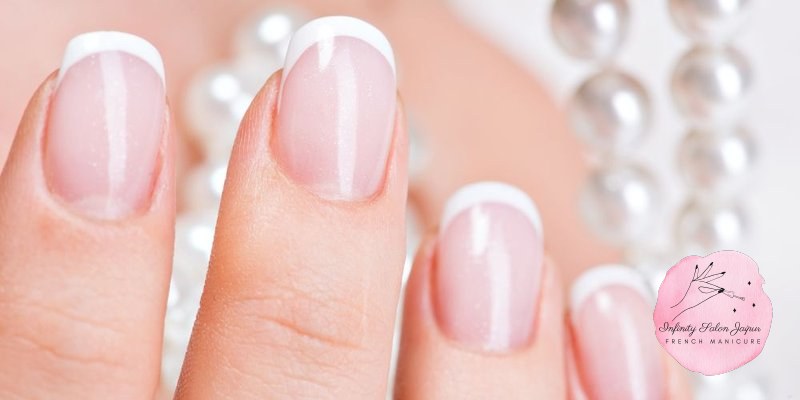
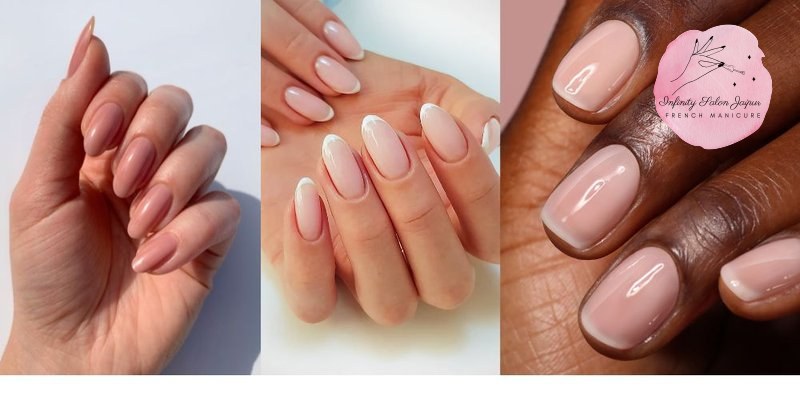
Even the base color has seen transformations, moving beyond natural pinks and nudes to include sheer blues, soft pastels, or even entirely clear bases. This continuous innovation ensures that the French tip remains a relevant and beloved nail art choice, proving its adaptability and enduring charm across generations. The versatility of the French tip allows everyone to find a version that suits their personal style, from classic elegance to bold and modern. Visit Infinity Salon Jaipur to explore our wide range of French tip options.
Why Are They Called French Tips Today?
Even with its American origin story now widely known, the name “French tips” has stuck for good reason. The term immediately evokes a sense of timeless elegance, sophistication, and chic style, all attributes strongly associated with French fashion and culture. This powerful association contributes significantly to its enduring appeal and why it continues to be one of the most requested nail designs worldwide.
The strategic naming by Jeff Pink was a stroke of marketing genius. By linking the design to Parisian fashion, he elevated its status and created an aura of luxury and desirability that a “natural nail look” simply couldn’t achieve. The name itself became part of the brand, a shorthand for a specific aesthetic that is universally understood. Even if its literal geographical origin is American, its cultural association firmly places it in the realm of French-inspired beauty.
Moreover, the simplicity and versatility of the French tip contribute to its lasting popularity. It’s a design that effortlessly transitions from casual wear to formal events, complementing any outfit or occasion. This adaptability, combined with its elegant name, ensures its continuous presence in the beauty industry. The answer to why are French tips called French tips lies in this clever branding, a name that perfectly captured the essence of the style and resonated with a global audience.
The Allure of the French Tip Manicure
The enduring allure of the French tip manicure lies in its ability to blend simplicity with sophistication. It’s a design that offers a clean, polished appearance without being overly ostentatious, making it a go-to choice for countless individuals seeking a refined look. The crisp white tip against a natural or sheer pink base creates a subtle contrast that highlights the natural beauty of the nails.
This timeless aesthetic has transcended fleeting trends, consistently remaining a popular option for various reasons. For many, it symbolizes professionalism and attention to detail, making it a favorite for business settings and formal events. For others, it’s a versatile canvas that can be subtly enhanced with modern twists, such as different colors or finishes, without losing its classic charm.
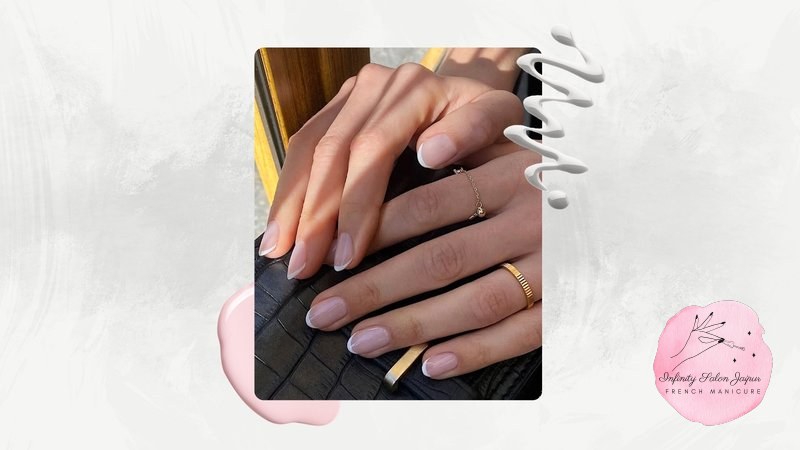
The French tip manicure is often associated with cleanliness and neatness, giving the illusion of perfectly cared-for hands. Its understated elegance means it never clashes with clothing or accessories, making it a truly universal choice. This blend of practicality, versatility, and classic beauty is why the French tip continues to captivate and remain a staple in nail salons worldwide. It’s a testament to a design that simply works, no matter the era or occasion.
Comparing Traditional and Modern French Tips
While the core concept of the French tip—a natural base with a distinct tip—remains, its execution has undergone significant transformations over the decades. Understanding these differences helps appreciate the design’s evolution and why it continues to be relevant today. The traditional French tip, as created by Jeff Pink, was characterized by a specific look, which has now expanded into a myriad of modern interpretations.
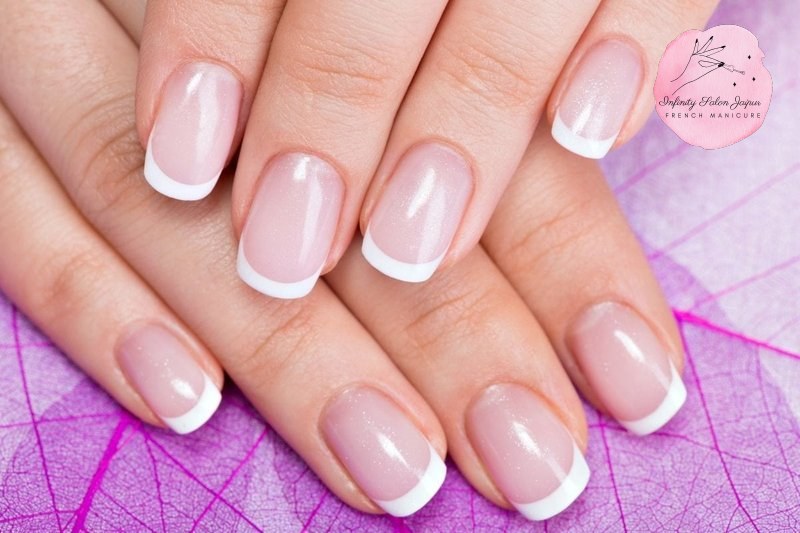
The classic French tip features a sheer pink or nude base coat, mimicking the natural nail bed, topped with an opaque, stark white tip applied neatly along the free edge. The “smile line” is typically a clean, crescent shape that follows the natural curve of the nail. This look is renowned for its subtlety and clean, understated elegance, making it a staple for anyone seeking a polished and sophisticated appearance.
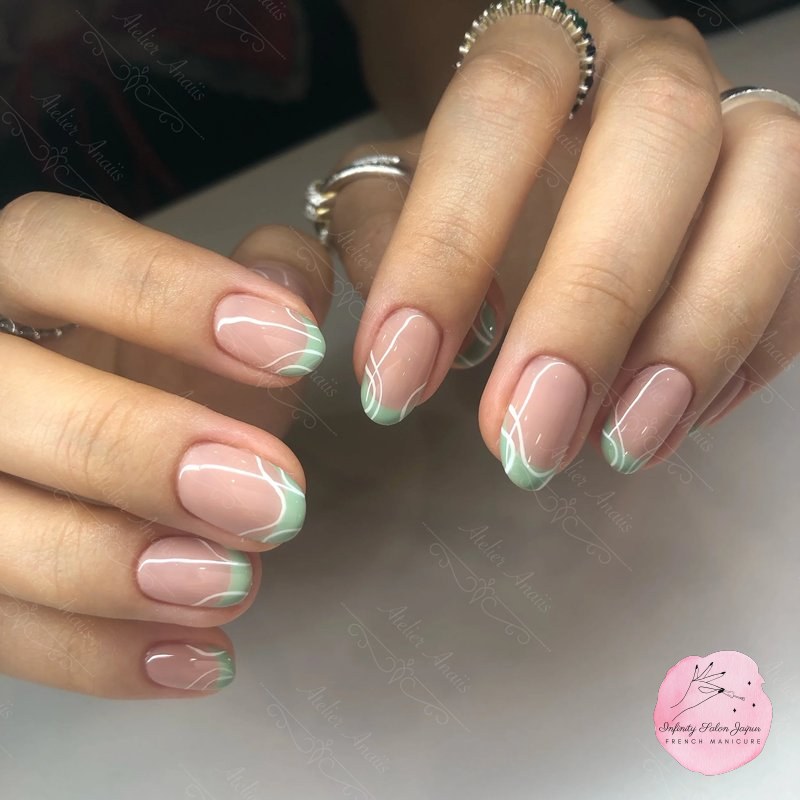
Modern French tips, on the other hand, embrace experimentation and personalization. While still maintaining the two-tone concept, they venture far beyond the traditional palette. Tips can now be vibrant colors, pastels, metallics, or even feature intricate designs. The smile line can be angled, asymmetrical, or even reversed. Additionally, the base color can range from clear to deeply pigmented shades, and embellishments like glitter, rhinestones, or even subtle artwork can be incorporated. This evolution keeps the French tip fresh and exciting, proving its adaptability to contemporary fashion.
| Feature | Traditional French Tips | Modern French Tips |
|---|---|---|
| Base Color | Sheer pink or nude | Any color, clear, or even patterned |
| Tip Color | Opaque white | Any color, glitter, chrome, or designs |
| Smile Line | Classic, curved crescent | Angled, asymmetrical, reversed, or abstract |
| Overall Style | Understated, elegant, natural | Bold, artistic, personalized, trendy |
| Application | Clean, precise line | Can be diffused, faded, or abstract |
The table above clearly illustrates how the French tip has expanded its horizons, offering something for every taste while retaining its identifiable structure. Whether you prefer the timeless classic or a bold, modern twist, the French tip remains a celebrated choice for nail enthusiasts.
Frequently Asked Questions
Is the French manicure actually French?
No, the French manicure is not originally French. It was created in Hollywood in 1975 by Jeff Pink, the CEO of Orly International, to provide a versatile nail look for actresses that wouldn’t clash with multiple costume changes.
Who named French tips “French tips”?
Jeff Pink, the creator of the nail style, named it “French tips” after he introduced the look on the fashion runways of Paris, where it gained significant popularity. He found the name added an element of luxury and desirability.
Why are they called French tips if they are American?
They are called French tips due to a clever marketing strategy. Jeff Pink introduced the style to Parisian fashion shows, where it was enthusiastically received. Naming it “French tips” gave the manicure an aura of sophistication and elegance associated with French fashion.
When did French tips become popular?
French tips gained popularity rapidly after their introduction in 1975, first in Hollywood among actresses, and then globally following their debut on Parisian fashion runways. Their versatile and elegant appeal quickly made them a beauty staple.
What is the difference between French tips and American tips?
The main difference lies in the tip color and shape. French tips traditionally have a stark, opaque white tip with a crisp, crescent-shaped smile line. American tips often feature a softer, off-white or ivory tip with a more subtle, rounded smile line for a more natural look.
The journey of why are French tips called French tips is a fascinating tale of Hollywood ingenuity meeting Parisian chic. What began as a practical solution for movie sets quickly transformed into a global beauty phenomenon, largely thanks to a brilliant rebranding strategy. This iconic manicure, despite its American roots, has come to symbolize timeless elegance and versatility for generations. Its adaptability has allowed it to remain a staple in the beauty world, constantly evolving while retaining its classic charm. At Infinity Salon Jaipur, we celebrate the rich history and modern interpretations of this beloved style, offering a range of French tip options to suit your personal flair. Discover the enduring appeal of the French tip manicure and let us help you achieve this classic, sophisticated look. Book your appointment with us today!